


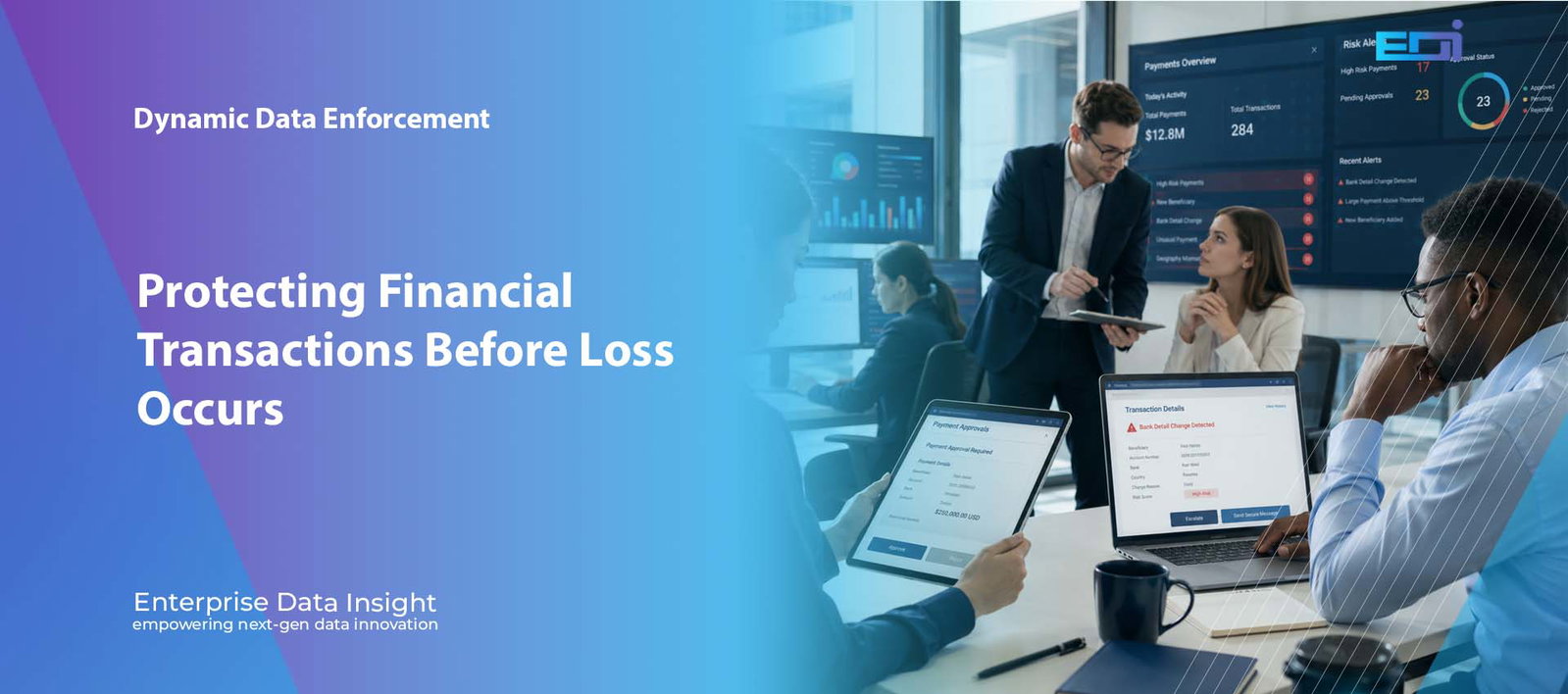
Real-Time SAP Data Security: DDE and ABAC Explained
Real-Time SAP Data Security in 2026: From Static Access to Dynamic Enforcement
Real-time SAP data security must do more than confirm that a user holds the right role. It must determine whether the user should see that specific data, perform that action and retain that level of access under the exact circumstances of the request.

Real-time SAP data security extends traditional users, roles, authorisation objects and transaction access with live business context. Those controls remain essential, but they do not always answer the most important runtime question: should this user see this specific information, perform this action and retain this level of access under the current conditions?
Dynamic Data Enforcement (DDE) and Attribute-Based Access Control (ABAC) add the contextual decision and enforcement layer required for real-time SAP data security. They evaluate identity, role, transaction, device, location, time, data sensitivity and behaviour, then apply a proportionate response without forcing every situation into a binary allow-or-deny decision.
Why Real-Time SAP Data Security Matters Now
Enterprise security teams now face two risks at the same time. Sophisticated actors may remain hidden long enough to study privileges, business processes and high-value data, while criminal groups can move from initial access to high-impact activity almost immediately.
This combination exposes the limits of a purely retrospective model. Monitoring can reveal what happened, but real-time SAP data security also requires an enforcement layer capable of reducing access and data exposure while suspicious activity is taking place. The supporting threat context is informed by Google Cloud M-Trends.

The strategic implication: visibility remains essential, but visibility without an immediate and proportionate response can leave sensitive ERP information exposed during the exact window in which an attacker or insider is operating.
The ERP Threat Landscape Behind Real-Time SAP Data Security
SAP sits at the centre of finance, HR, procurement, customer data, supply chain and operational execution. This concentration of critical information makes ERP attractive to external attackers, malicious insiders and users with excessive or inappropriate access.
Identity compromise, third-party access, privilege misuse, accidental leakage, exploits and unpatched vulnerabilities can all expose sensitive information through otherwise legitimate business processes. Real-time SAP data security must therefore evaluate the request inside the business process, not only at login.

Compromised identities can look legitimate
A stolen or misused account may pass authentication and hold valid roles. DDE evaluates the context of the request so that a trusted identity does not automatically receive unrestricted access.
Real-Time SAP Data Security Closes the Control Gap
A user can pass authentication, hold a valid SAP role and open an approved transaction while still seeing more information than is required for the immediate business task. Transaction access answers whether the user may enter the process; data-level enforcement determines what should remain visible or actionable after the full context is understood.
Real-time SAP data security closes this gap by protecting fields, records and business actions at runtime while preserving legitimate operational continuity.
Traditional access control
User + role + transaction normally produces a broad allow-or-deny decision. Once inside the transaction, sensitive fields may still be exposed even when they are not needed for the current task.
Dynamic Data Enforcement
User + role + data + device + location + time + behaviour produces a proportional outcome such as allow, mask, restrict, block or alert.
How ABAC Strengthens Real-Time SAP Data Security
Attribute-Based Access Control adds runtime context to the security decision. Instead of relying only on a static role, policy can evaluate the user, resource, operation, environment, device, location, time, transaction and sensitivity of the data being requested. This real-time SAP data security model aligns with the principles described in NIST SP 800-162.
ABAC does not replace SAP role-based access. Roles establish general eligibility, while contextual attributes determine the appropriate outcome for the current request.

Explainable Real-Time SAP Data Security Architecture
This interactive architecture shows how real-time SAP data security follows a live SAP request through enforcement, contextual enrichment, policy evaluation, decision and audit evidence. Select a scenario and run the request to see how PEP, PDP, PIP and PAP work together.
Each stage remains clickable, allowing technical teams, auditors and business owners to understand exactly which component acted, what information it used and why the final outcome was returned.
Policy Enforcement Point
The PEP sits directly in the access path. It intercepts the SAP request, sends the relevant information for evaluation and applies the final outcome before sensitive data is displayed or changed.
View the original ABAC architecture reference image

How DDE Enforces Real-Time SAP Data Security
DDE translates the policy decision into a practical real-time SAP data security control inside the SAP process. The outcome can preserve business continuity, protect sensitive fields, stop high-risk activity and create evidence for audit or investigation.
Practical example: an HR user in an approved office may receive full access, the same user working remotely may see salary and banking values masked, and an after-hours or high-risk request may be denied and escalated.
Real-Time SAP Data Security for Privacy and Compliance
Privacy compliance requires organisations to understand which personal information is processed, who can access it, why the access is required and what evidence exists when an incident or data-subject request occurs.
DDE does not make an organisation compliant by itself, but real-time SAP data security can strengthen the control environment through data minimisation, context-aware restrictions, active enforcement and decision evidence.

A Practical Real-Time SAP Data Security Roadmap
A successful real-time SAP data security programme should begin with clear business risk, not an attempt to apply dynamic policy to every transaction at once. Start with sensitive data, well-defined business scenarios and outcomes that can be explained to both security and process owners. Review the wider Enterprise Data Insight portfolio for related SAP data management and security capabilities.
Frequently Asked Questions
Does DDE replace SAP roles and authorisations?
No. SAP roles remain the foundation for general eligibility. DDE adds runtime context and field-level enforcement so the outcome can adapt to the current request.
Can sensitive SAP fields be masked in real time?
Yes. Where policy permits, selected values can be dynamically masked while the authorised transaction and non-sensitive information remain available.
Is DDE only relevant to HR?
No. The same approach can protect finance, customer, supplier, procurement, payment and operational information where access depends on business context.
How does DDE support audit and investigation?
It can capture the user, transaction, attributes, matched policy, decision and enforcement action as structured evidence.
Real-Time SAP Data Security Resources
For further technical and security context, review the
Google Cloud M-Trends Executive Edition,
NIST guidance on Attribute-Based Access Control,
and the Enterprise Data Insight Dynamic Data Enforcement overview.
These are standard followed links; no nofollow attribute is applied.